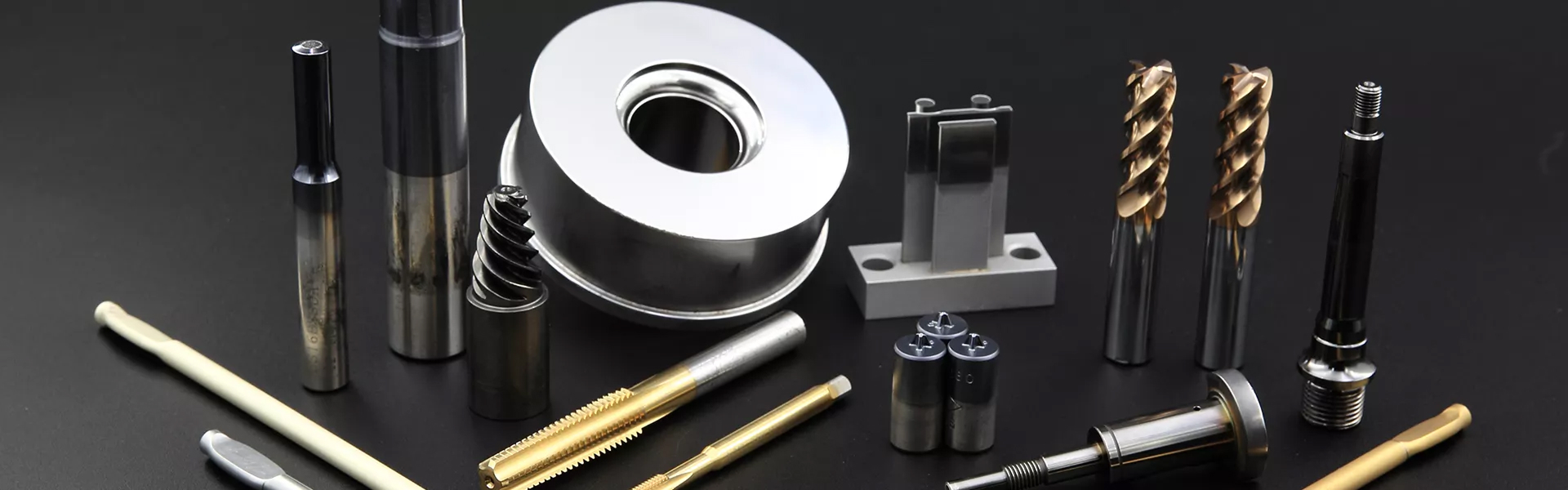
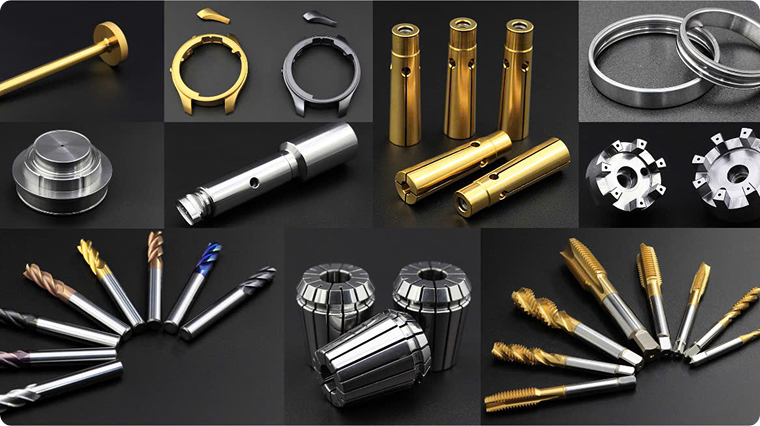
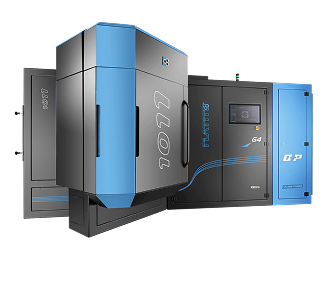
◆ Cutting tools and molds should avoid burnout and burrs during grinding. ◆ The key surface of the workpiece cannot be treated with phosphoric acid film and galvanizing, and the...
Cathodic arc deposition is a kind of physical vapor deposition method. It has the advantages of high ionization rate and high deposition rate. The structure of the coating system...
Physical vapor deposition has a fast deposition rate and a more precise film thickness control. The alloy target material matched with the coating system can control the composition and proportion...
Common coating techniques are shown in the figure, ranging from traditional electroplating to today’s vapor phase methods, such as physical vapor deposition(PVD) and chemical vapor deposition(CVD). As the industry progresses,...
PVD Coating for other Applications PVD coating is useful for a wide variety of specialized industries, including automotive, aerospace, medical, energy, food processing and packaging, recreational equipment, electronics & semiconductors,...
PVD Coating for Mold & Die Casting Coating a mold or die with PVD increases filling while decreases the chance of the final product being distorted. The molds also last...
PVD Coating for Forming & Punching Tools A PVD coating can also reduce wear on forming and punching dies and the lower friction of the tools means less money spent...
Cutting Tools Applying a PVD coating makes tools more resilient and stronger. This increased resilience increases tool lifespan while the increased strength improves cutting performance. One of the most...
This is the question often asked around the cutting tool user community when searching for the best coating for their tools or applications. For a comprehensive understanding, let’s start with...
Coating Types There are numerous kinds of PVD coating that can be applied to tools and other objects. Each is actually a family of specific PVD coating compositions that has...